The Way Fashion Branding Communicates Parting Through Godspeed
Every era of clothing pulls its terminology from somewhere older, and streetwear has long depended on words that hold significance beyond their character length. The word Godspeed is one of those words. It endures on tags, across chestprints, and inside brand names exactly because it contains centuries of meaning inside four syllables. When a label chooses a word like this, it is not decoration. It is a statement about what the garment is supposed to say when the person can’t.
This article looks at where the word originates, what it means in the present day, and why a brand shaped by farewell, safeguarding, and momentum strikes a chord among people searching for a godspeed shirt or godspeed jacket a godspeed hoodie in 2026. Along the way we’ll untangle folklore from the etymology and compare how different apparel forms carry that sentiment.
Godspeed: What Does It Actually Mean?
The meaning of godspeed traces back to Middle English, specifically the phrase “God spede you,” which literally translates to “may God prosper you.” Speed in this more archaic sense had no connection to velocity. It meant success, fortune, or a positive result. So when someone said godspeed to a traveler in the 1300s, they weren’t hoping for them to have a fast trip — they were wishing them a successful one.
Over the following centuries the phrase shrank down to a single word and took on new usage. By the 16th and 17th centuries, English sailors and soldiers relied on it as a send-off before perilous journeys or battles. There was an implication that the person leaving might not return, so the blessing needed to mean something. That gravity is part of why the word still lands hard four hundred years later.
In contemporary use, what is godspeed to most people is a farewell phrase used specifically for significant goodbyes — not a casual “see you later” but something nearer to “I hope this goes well and I hope you come back.” NASA used it before Mercury and Apollo launches. Musicians use it in album titles and lyrics connected to loss or departure. That lineage — travel, risk, hope, return — is precisely the emotional ground that clothing brands are drawing on when they print the word across fabric.
How Godspeed Suits a Fashion Label
Apparel labels thrive when their identity or messaging does more than identify a product; it has to signal an attitude the wearer wants to carry. God speed clothing holds a specific lane: it channels resilience, motion, and silent resistance in the face of the unknown. That’s a different emotional register than a slogan centered on aggression or luxury signaling. Introspection comes first here, aspiration second.
There’s also a graphic upside. The term godspeed brings sturdy typographic bones to the table — whether stacked, arched, or run straight across a chest or back panel, it comes through clearly. Designers drawn to streetwear and gothic-tinged looks lean into words that evoke an old-world feel since they photograph well against weathered textiles, oversized cuts, and black-and-white palettes.
Setting appearance aside, the word functions as a storytelling device for a whole clothing collection. A single drop can dig into concepts like departure, guardian-style charms, open-road motifs, or remembrance-themed artwork, and the word godspeed ties all of it together without needing an explicit tag. Even without being able to explain it, shoppers sense the underlying unity, since the garments read as pieces of a single unfolding tale.
Godspeed Shirts or Godspeed Hoodies? Where the Statement Really Comes Through
Depending on the garment, the impact varies, and godspeed-branded pieces are no exception. The godspeed shirt reads as a focal piece — more lightweight, more exposed, frequently worn when it’s warm or layered under jackets where the graphic peeks through. A godspeed hoodie has a bigger physical footprint; the hood itself has symbolic weight, suggesting movement, concealment, and shelter, which pairs naturally with the term’s undertones of danger and safe travel.
Silhouette along with material heft also change how the graphic reads. Thicker cotton hoodies carry ink as well as puff prints better, lending bold typography more dimension. Finer shirt fabrics are suited to fine-line or vintage-wash graphics, and these feel more like a faded blessing than an emphatic proclamation. Neither option is inherently “better” — each simply serves different wardrobe roles.
Here is a side-by-side look of the way these two garment types typically function within a godspeed-themed collection, drawing on standard construction and wear patterns found throughout streetwear collections in 2026.
| Characteristic |
Godspeed Shirt |
Godspeed Hoodie |
| Standard fabric weight |
A thinner knit fabric crafted in cotton |
More substantial fleece-back cotton-blend fabric |
| Ideal time of year |
Springtime into the start of autumn, or alternatively for layering under other garments |
Suited to the colder months, and kept in rotation all year where the climate stays cool |
| Print style that complements it |
Fine-line, worn-in, orvintage-wash graphics |
Striking raised print, stitched detailing, or large-scale back graphics |
| Symbolic focus |
Focused on visibility, making a statement, and day-to-day use |
Centered on protection, blending in, and travel themes |
| Typical way to wear it |
Slip it beneath outerwear, or rock it alone |
Used as an outer layer, hood pulled up to emphasize the look |
Decoding the Deeper Meaning Within Departure-Inspired Streetwear
The streetwear space has long used language associated with mortality, travel, and survival — skulls, road signs, compass imagery, and now farewell phrases like godspeed. This isn’t about shocking people. It speaks to a more sweeping cultural mood where the youth market want clothes that own up to hard times without falling into despair. A godspeed shirt doesn’t say “goodbye forever.” It says “go, and come back.”
That push-pull — hope layered over risk — accounts for why the word has persisted across military history, the era of spaceflight, and now clothing. It remains flexible enough to apply to a service member, an spacefarer, a friend starting over in a new city, or someone quietly getting through a rough stretch. Clothing brands that use the word are borrowing that flexibility rather than inventing new meaning from scratch.
There’s also a subtler explanation: farewell language photographs and prints well precisely because it opens itself up to multiple readings. The same godspeed hoodie can be worn by two different people, each meaning something else by it — one wearer might have a lost friend in mind, another a cross-country career move. It accommodates either reading without asking for an explanation, which is part of why the style continues spreading through 2026 collections rather than disappearing after just one season.
How the Name Godspeed Shapes Brand Identity
When a clothing line calls itself Godspeed rather than just using the word as an occasional print, it commits to a richer ongoing narrative across every collection. As a result recurring motifs — roads, wings, protective symbols, weathered typography — come across as purposeful rather than accidental. Buyers come to expect a consistent emotional feel from every collection, which builds loyalty faster than a brand built only around fads.
There’s confidence signaled, too, in naming a label after such an old word. It tells customers the brand isn’t riding a slang phrase destined to feel stale within eighteen months; its foundation is a word that has already endured four hundred years of changes in language. Such durability resonates with shoppers who are growing more wary of fast-fashion labels built around fleeting internet phrases.
It also creates room for sub-collections. A brand named Godspeed can put out a “departure” capsule, a “protection” capsule, or a “return” capsule, and every one of them still fits under the overarching brand name. That’s harder to do with a more literal or narrow brand name. The word’s built-in ambiguity becomes a design asset rather than a limitation.
Selecting a Godspeed Item That Reflects Your Meaning
Not every godspeed shirt or hoodie is trying to say the same thing, so it helps to study the design and craftsmanship before buying. A subtle, small-scale text logo on a plain shirt reads as quiet and private — something chosen because its significance is meant to stay private. A large back-print hoodie with heavy typography comes across as a public statement, designed to draw attention and questions.
Matching fabric weight to actual wear is crucial, since it should correspond to how the piece will in practice be worn. If it’s destined to be an outer layer through fall and winter, a heavier fleece hoodie holds up better over repeated wear and washing than a lightweight shirt would. If it’s a layering piece for warmer months, a mid-weight cotton shirt avoids the bulk problem entirely.
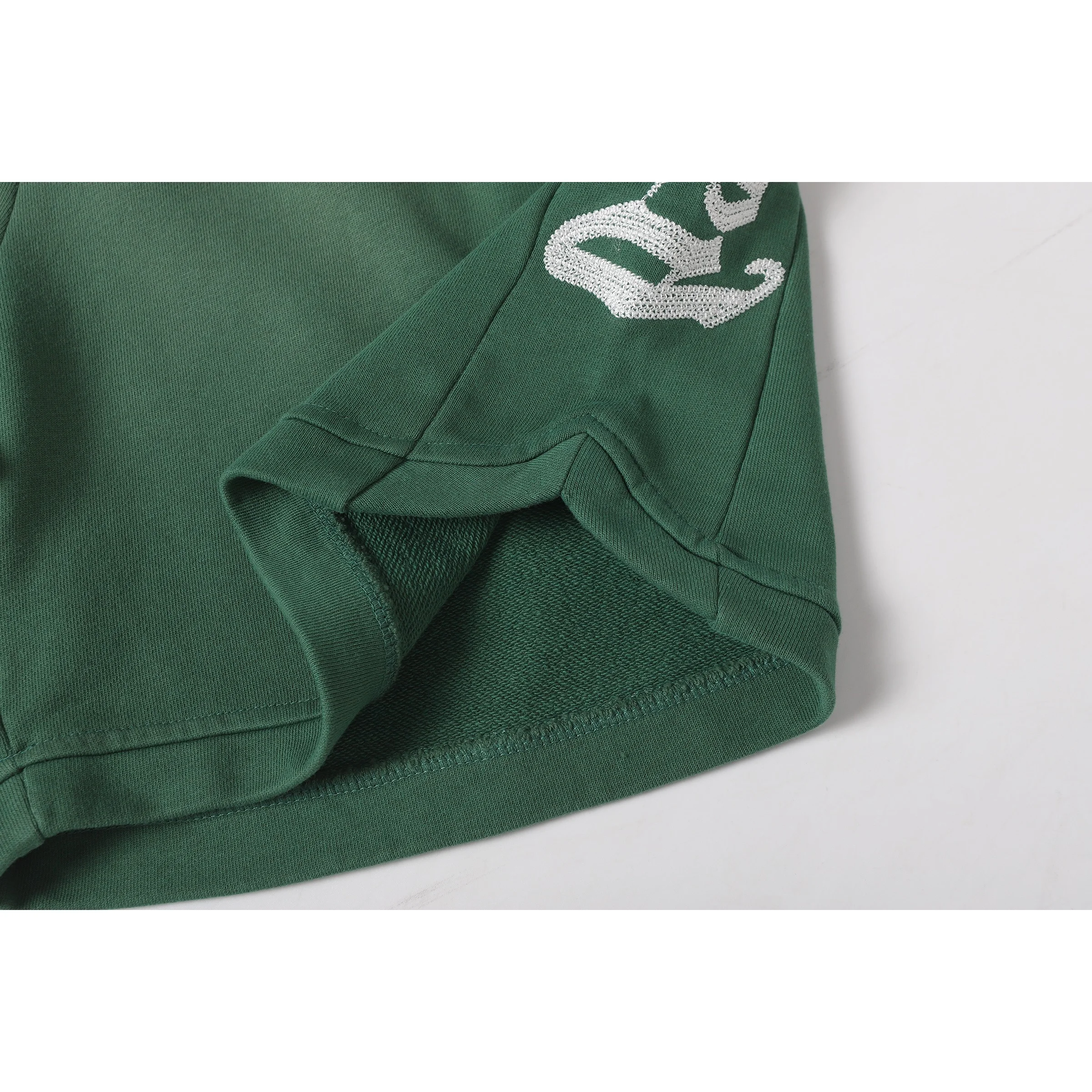
One more thing to weigh is the staying power of the design. Because the word godspeed carries centuries of meaning rather than a single cultural moment, pieces built around it tend to age better than trend-specific graphics. Practically speaking, beyond sentiment alone, a godspeed hoodie or shirt should be regarded as a lasting wardrobe staple rather than a single-season purchase, as we move into 2026 and beyond.